Testing November 2025
It's been a second since I last updated my blog. The last update was actually a year ago which is crazy to think. I’ve still mixed some very small batch testing. Most have simply been playing with other materials that make up my clay body just to see their reactions. Another small one which I left off was converting my clay body to be mature at cone 6. I only did two tests with that and haven’t come back to it yet. Recently I also came to the conclusion that firing to cone 6 reduction could also be a more viable direction to go because of the fuel economy as well as a slightly short firing time. Plus most kilns I have access to go to cone 6 so if my materials can match that, then I will have an easier time getting tests out in a faster rhythm. Other than that, work has made it much more difficult to get into the studio. Lately, I’ve been taking baby steps to gain traction and momentum. A strange problem I've run into with all of this material testing is I don't know what to make when I get the recipes correct again. Definitely a type of artist block. I have very abstract visions of the materials and their interactions but it's like I'm searching through mist to figure out what those materials actually make. The best advice I’ve been given for these situations is to follow the green lights. The idea is that you just follow what feels good no matter what it is to stop overthinking everything.
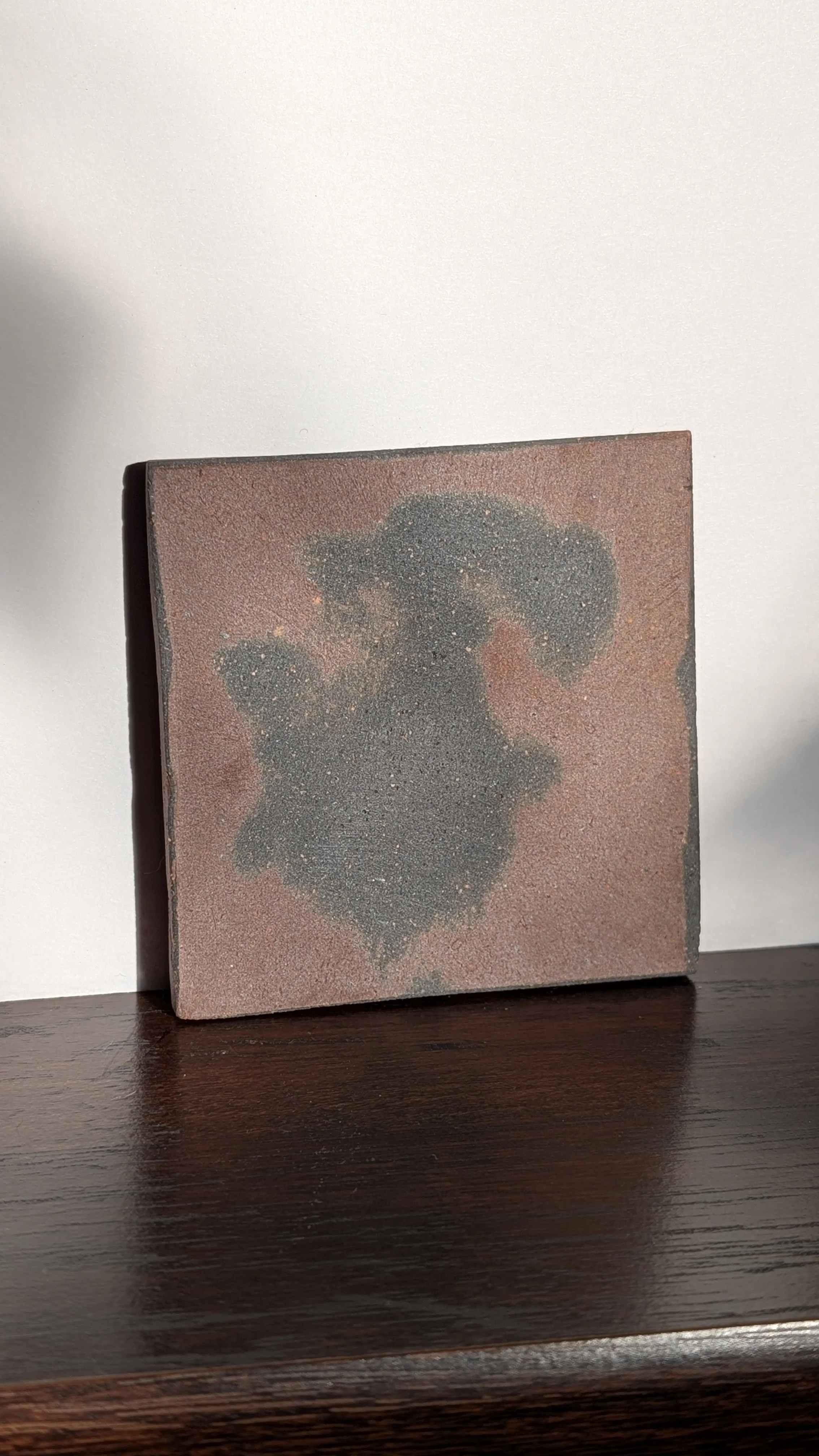
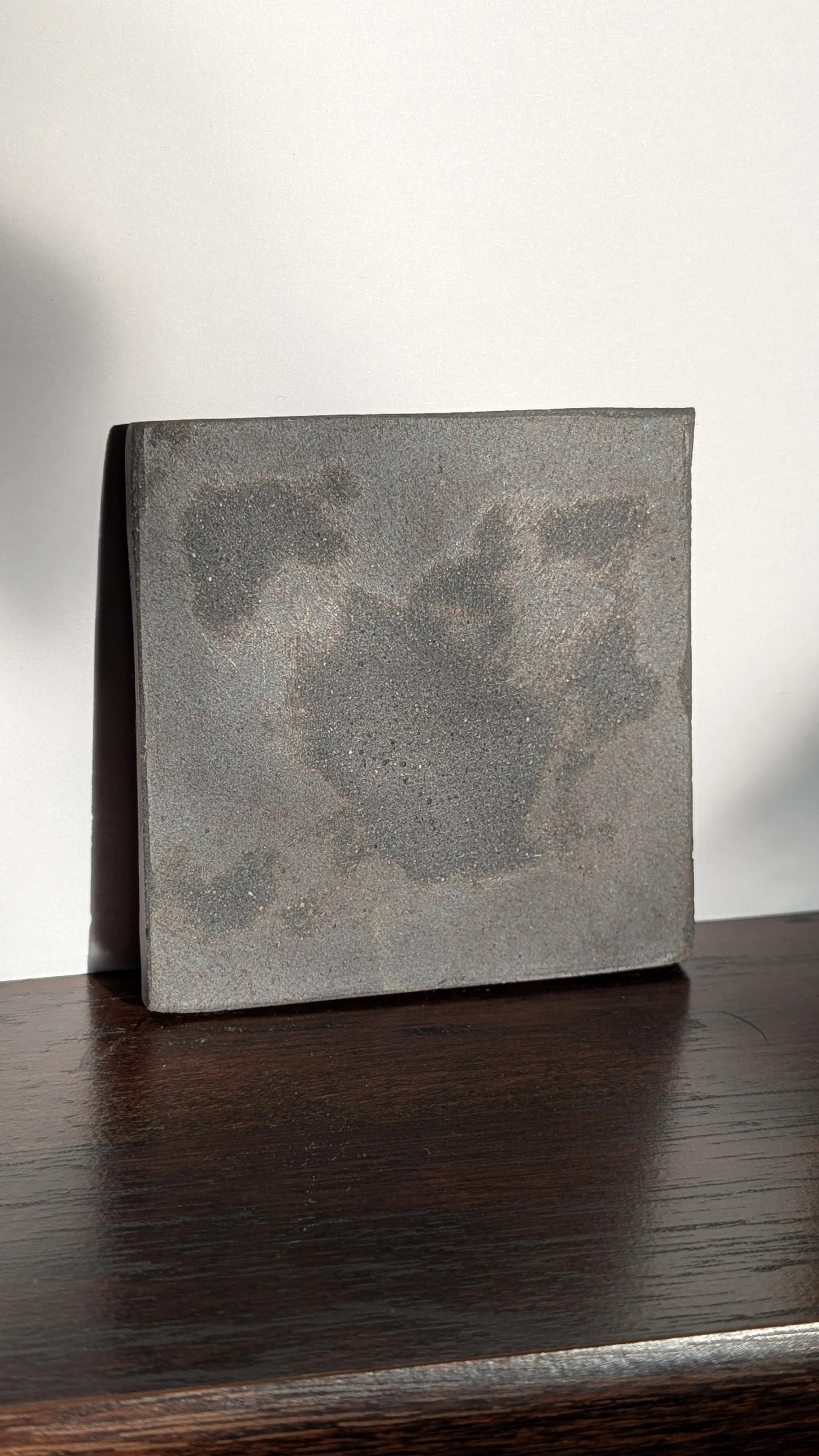
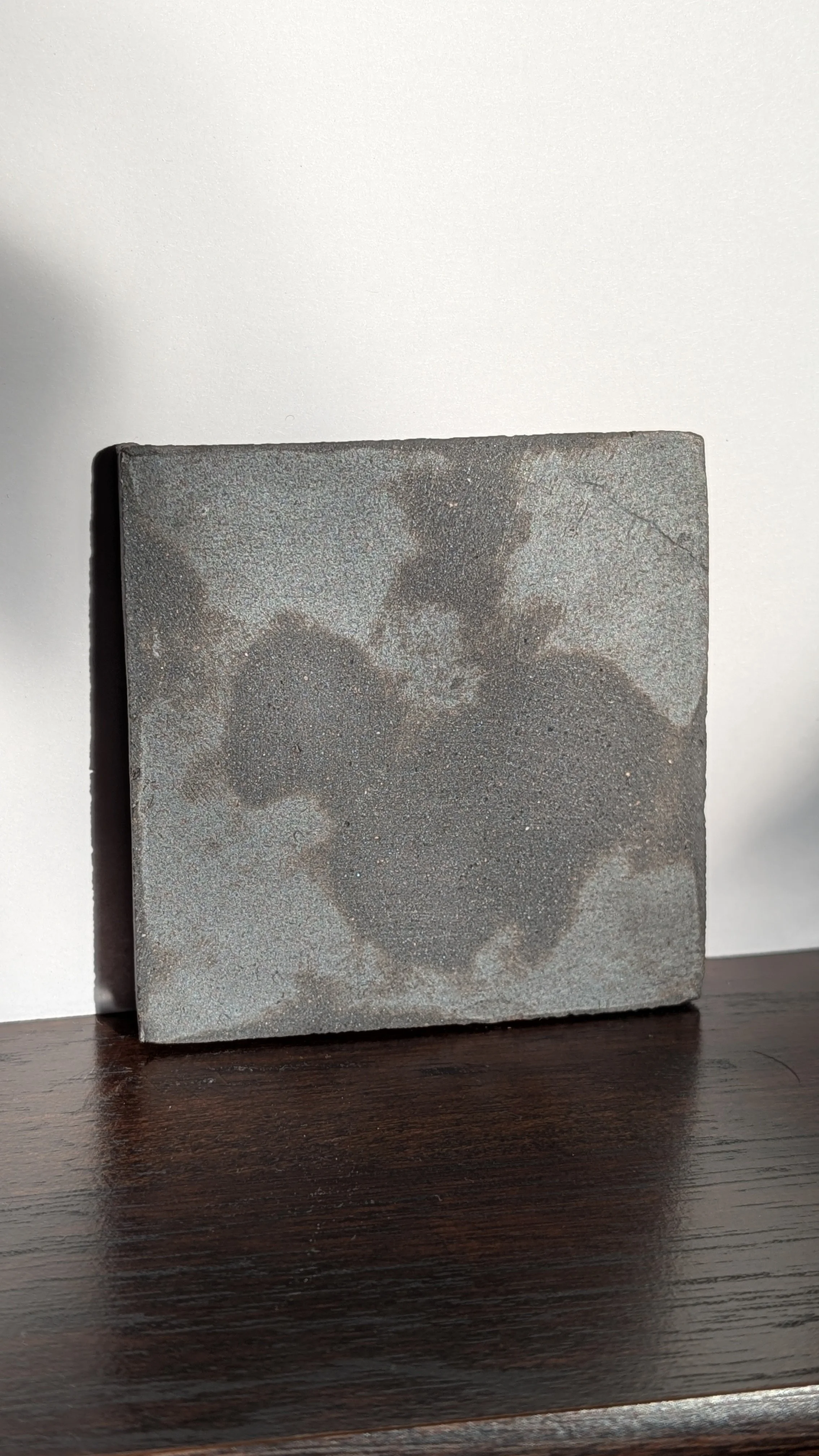
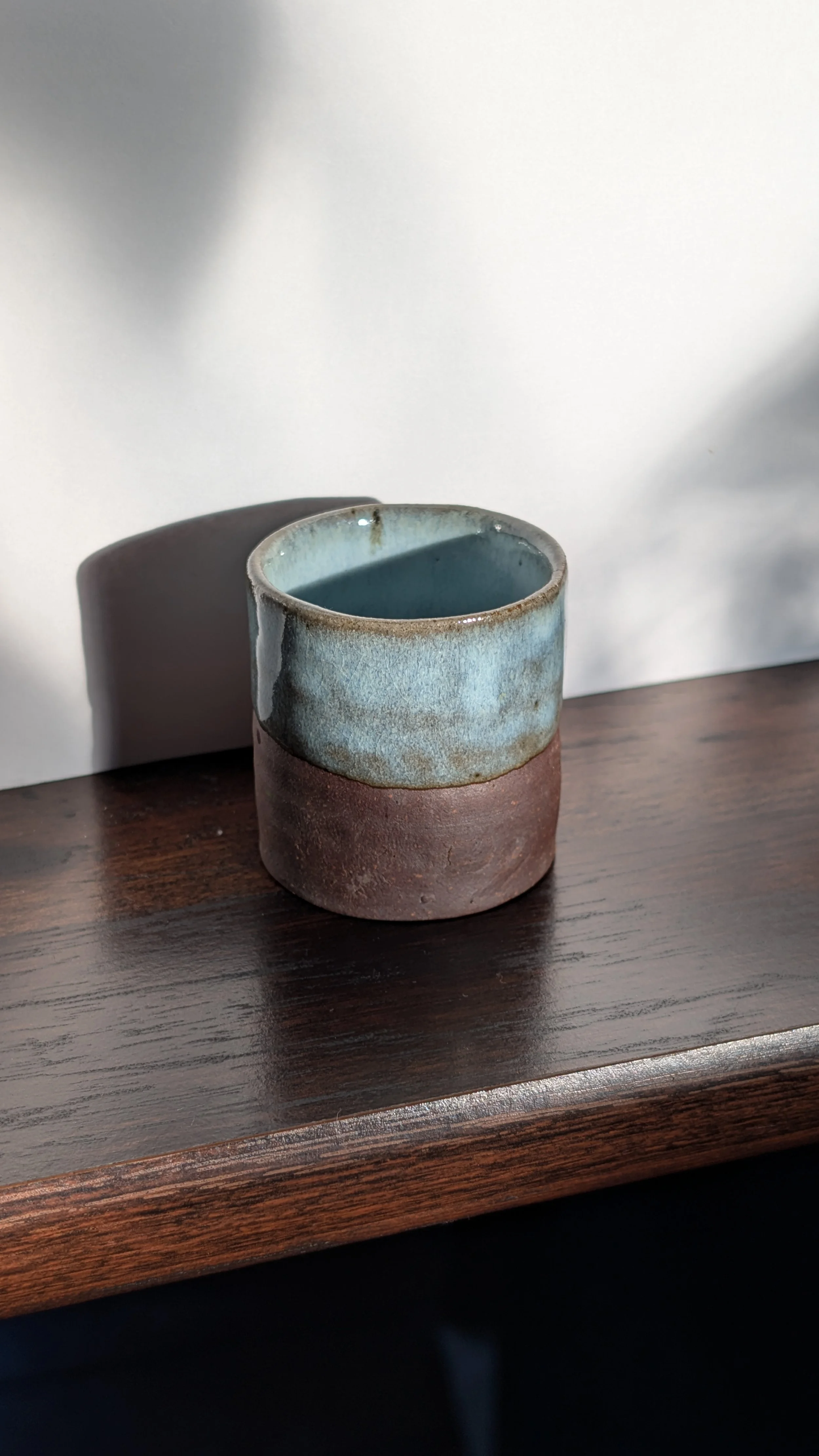
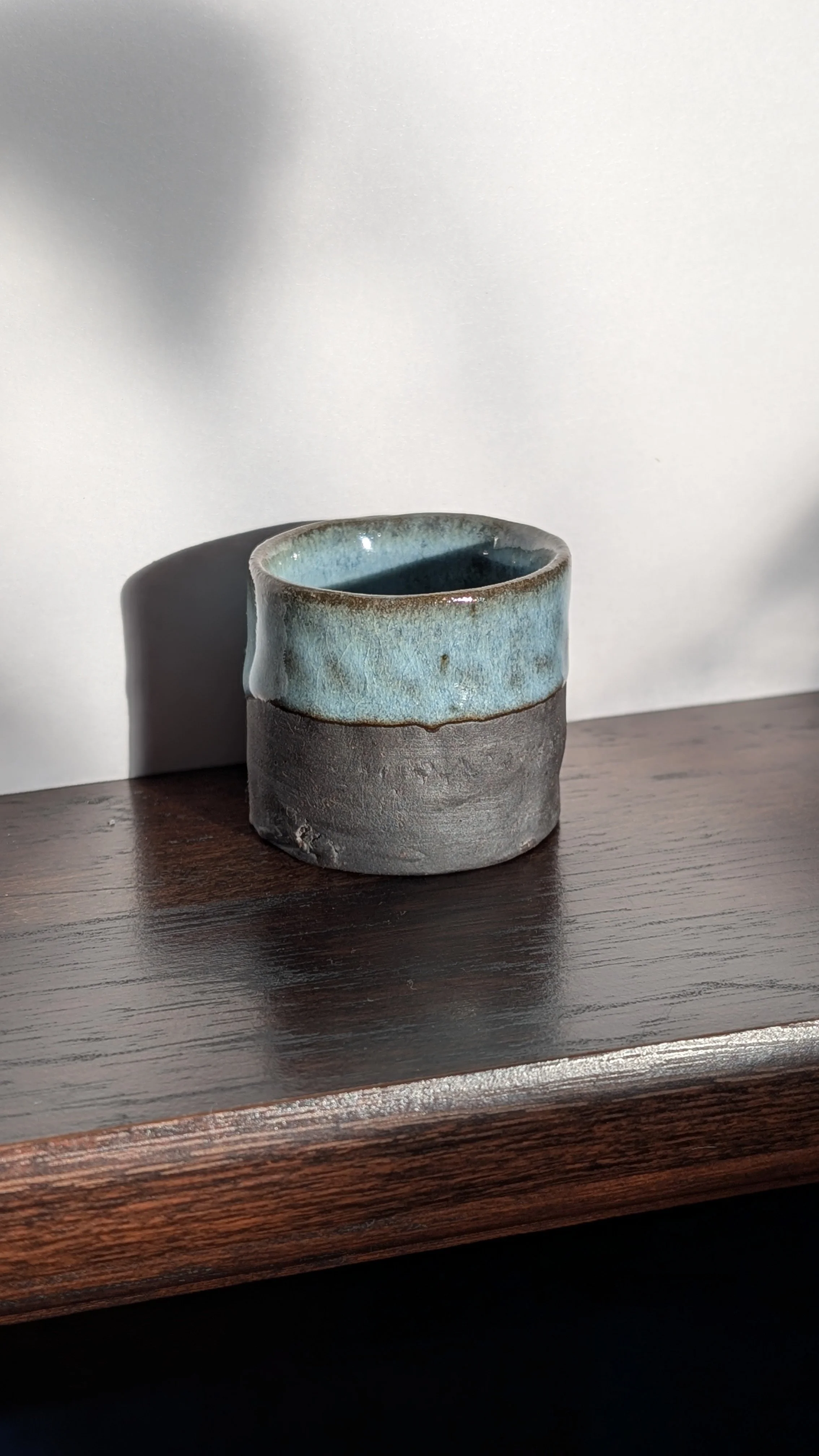
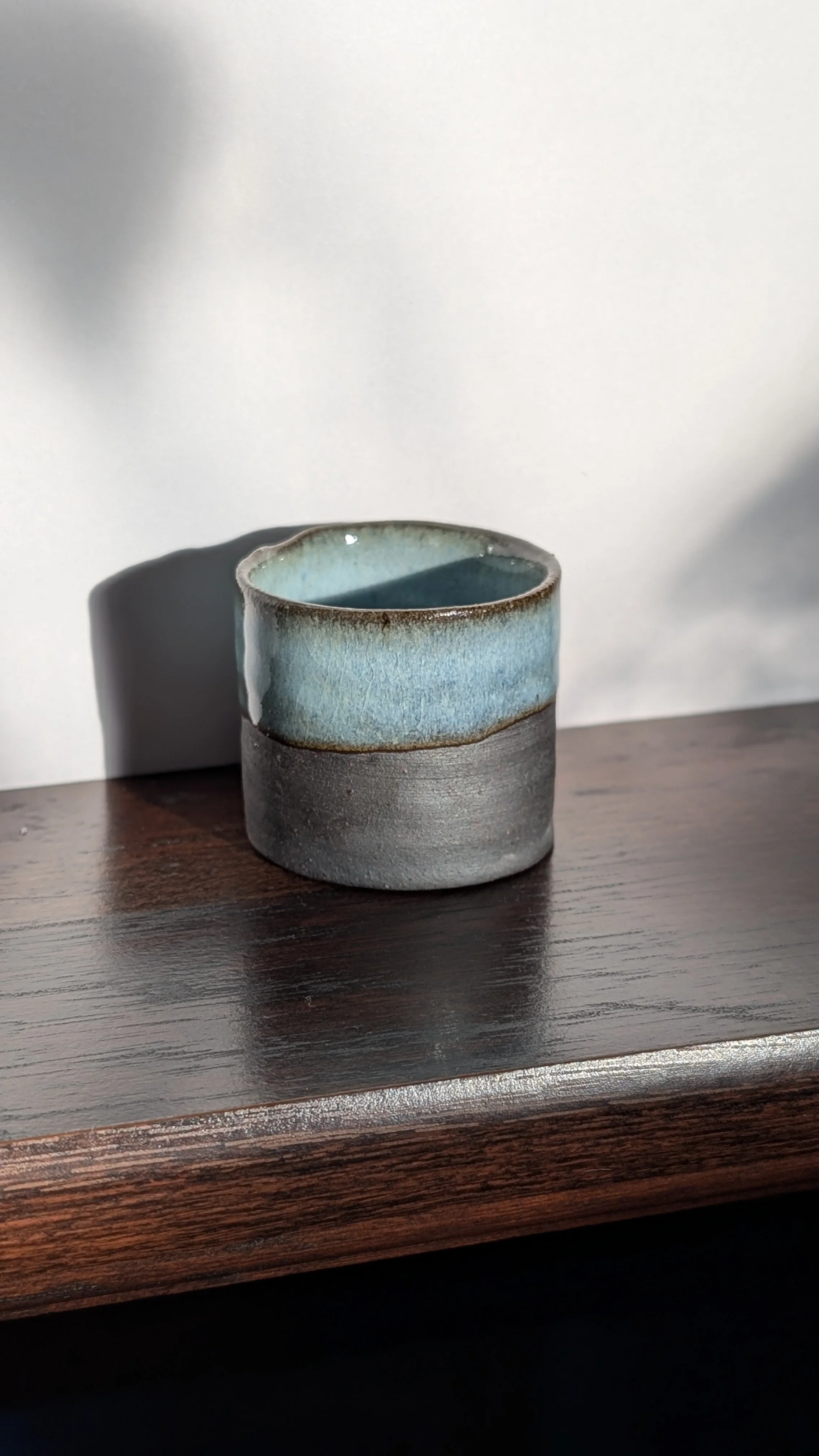
Sometime in the recent round of testing I learned one of my primary materials, Newman's Red Fireclay, has gone out of commission. I haven’t found any distributor that has it in stock and there has been no word about what's going on or when it might come back. Luckily I had already been playing with tests for replacing the fireclay but that was more out of curiosity rather than to change the material permanently. Thankfully it's not like I am back to square one. I have some replacements in mind. I know it most likely won’t look the same but I am open to some new results. I still want a warmer tone than just a standard brown. The clay still needs some special characteristics. Otherwise there's no reason for me to mix my own. I could easily get a commercial blend. As of this moment I have tested Goldart clay, Hawthorn bond, and Lizella clay. Only the Goldart test came through the kiln. It was in a grouping of older tests still using Newman’s and playing around with proportions of ingredients again. Tests shown below (images from left to right)
A) Replacing Newman’s with Goldart 1:1
B) Adding Redart to see its effect on the maroon color without my black colorant.
C) Base mixture as a controlled variable on color and work-ability.
D) Mullite replacing Kyanite 1:1 since I can’t seem to find a distributor for raw kyanite.
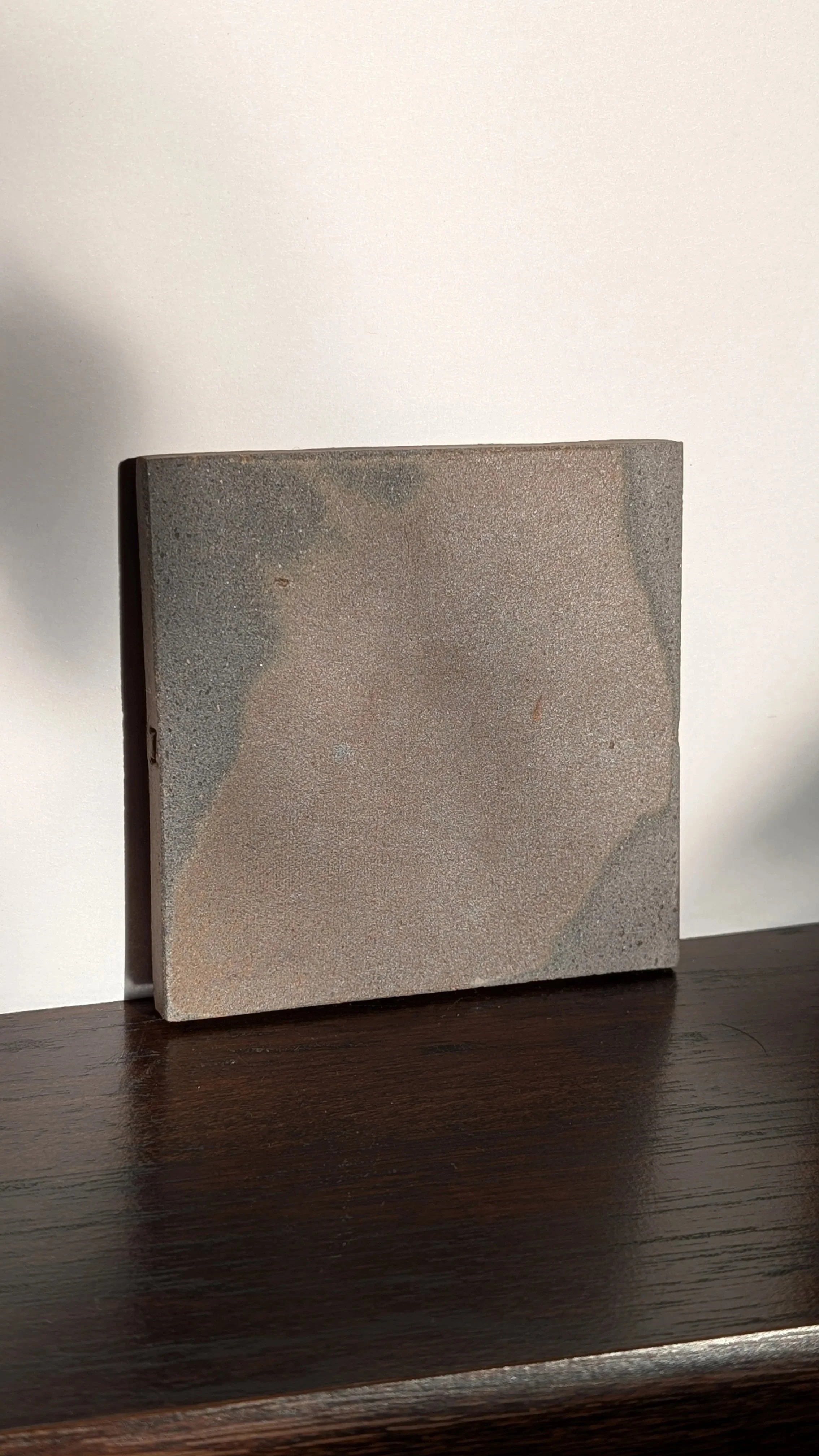
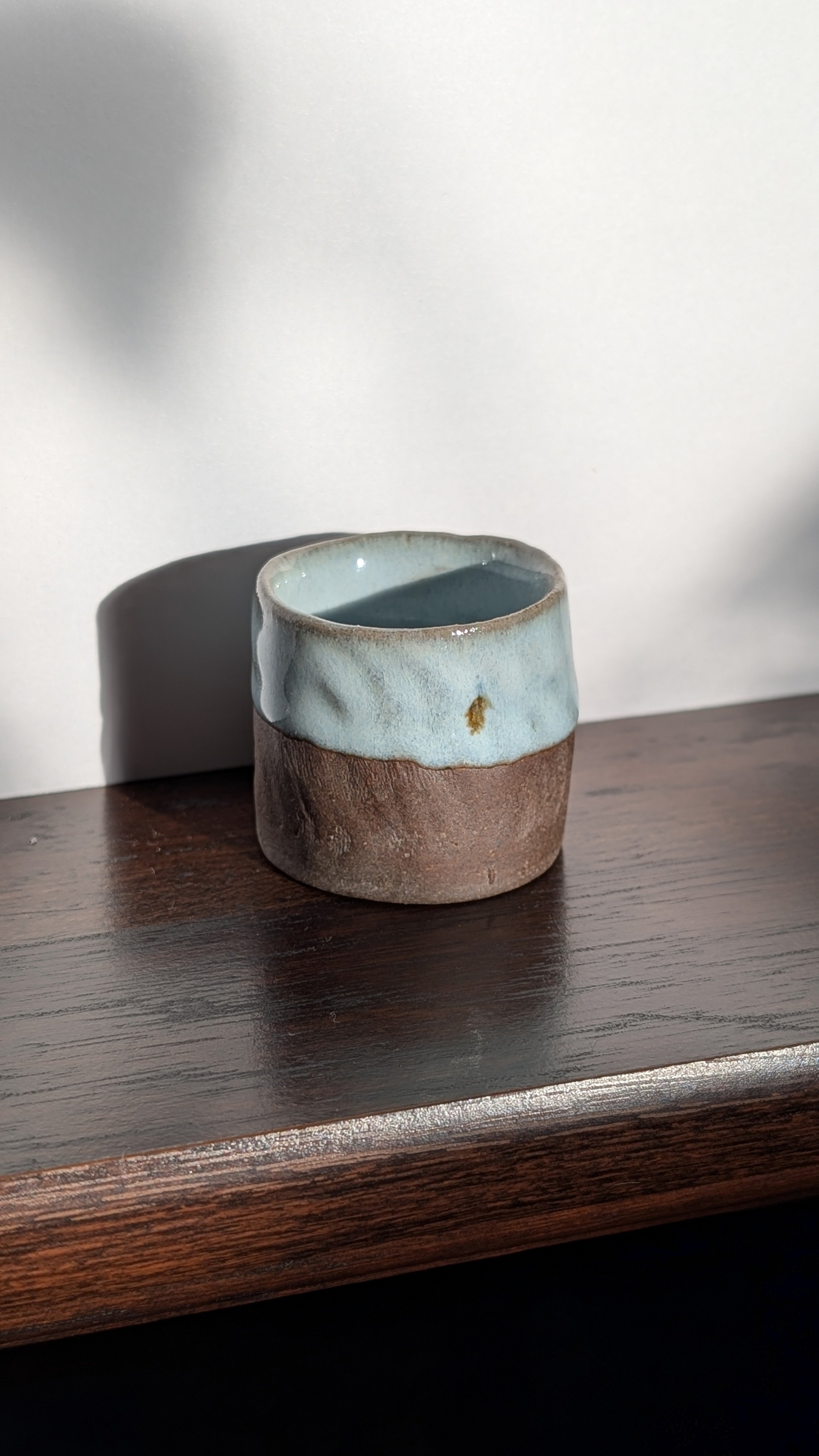
Test A - It looks much more like a standard high fire brown clay. I do like the amount of speckles that it has and the variation of them is nice to see. The work-ability was much better than the base recipe with Newmans. If nothing else this mix is good to keep in my back pocket. I would want to see what this looks like in other firings.
Test B - The goal was to push the Maroon color of the original recipe without the black colorant. It has a lovely, rich, maroon/ brown color. When you sand it back you get a light charcoal color to show which is a lovely contrast. The Redart addition didn’t push the color quite as much as I thought it would. I have been learning about red clays actually losing the red color at higher temperatures as the iron oxide changes. This could be a good reason the color hasn't changed much. Still a very cool result given I can find a suitable replacement for my fireclay.
Test C - I hadn’t mixed much clay recently so it's a good idea to make some as a controlled variable to compare against the next test also to make sure I am still getting a good color response.
Test D - This was the same base recipe but I changed my kyanite addition to use mullite 1:1. I was running low on kyanite and when I looked online for places to buy it I was running out of luck. Most places either didn’t have it in stock or it was strangely expensive. However I did find mullite for sale and despite knowing its not 100% correct, I am pretty sure mullite is calcined kyanite. Either way I replaced my kyanite amount 1:1. It both looks and feels the same as the base mix.
Tests that are still in the works are Lizella and Hawthorn Bond tests. I am very hopeful for Lizella to get me close enough to a color I like while Hawthorn will most likely be in the same ballpark as the Goldart test. When I was in college we had a claybody that primarily used Lizella clay and it had a rich dark color in the gas kiln. I haven’t used it since college and never used it as its own material. I researched the material a bit and on Digitalfire it shows the color changes from midfire to high fire. It does lose the rich dark red but it still retains a more dark grey color. My hope is even if the clay isn’t as warm as the original it will still have a dark charcoal type color.
The Hawthorn tests don’t have much hope for me in terms of color response. What I did like was the feel of hawthorn as it includes much more grog. I am using this fireclay to see how it could work as a sculpture body. We’ll see what happens. Like I said I am keeping an open mind. Even if the color responses aren’t what the original goal is, I don’t want to miss out on something cool if it presents itself.